Moving Money From Abroad to Buy U.S. Property: Paper Trail, Wires and Wire Fraud
If you live outside the U.S. and you're buying a home or a rental in Florida or Texas, there's one part of the process people don't think about until late: the money. Your savings might be in a bank in Bogotá, Madrid, Dubai or Bangkok, in a currency that isn't the dollar. At some point, it has to land in the U.S., with a paper trail a lender and a title company can follow.
I run MortgageToday LLC from Koh Samui, Thailand, and our office is in Miami, so cross-border money questions come up all the time.
Here's how to plan it so the money side doesn't become the stressful part.
1. Start with the paper trail, not the wire
When you finance a purchase, the lender needs to see where the money for your down payment, closing costs and reserves came from. That's called source of funds. It's not personal; it's how U.S. lending and anti-money-laundering rules work.
What lenders typically ask for:
Recent statements for every account the money comes from, usually the last couple of months, showing your name and the balance.
An explanation and documents for any large or unusual deposit. For conventional loans, Fannie Mae's Selling Guide tells lenders to document large deposits. Investor and foreign national programs have their own versions of the same idea.
Translations of statements that aren't in English, when the lender requires them.
A clear path from the original account to the account that sends the money to closing.
The simplest advice I can give: don't move money around in a hurry right before you apply. Splitting it across accounts, moving it through friends or family, or depositing cash makes the trail harder to document. Keep it boring and easy to follow.
2. Know where your money is coming from (and say it early)
Tell your loan officer up front what you're working with:
Savings or investments abroad. Many programs can work with foreign assets, but some lenders want the funds moved to a U.S. account before closing, and some don't. Guidelines vary, so ask before you move anything.
Sale of a property or business abroad. Keep the sale contract and the closing statement from that country, and the statement showing the proceeds landing in your account.
Gift from family. Gift funds are allowed on some programs and not on others. When they're allowed, expect a signed gift letter and proof of the transfer from the person giving it. If you're a U.S. person receiving a large gift from someone abroad, the IRS may require you to report it on Form 3520, so ask your tax professional.
Crypto or other assets. Ask early. Lenders that accept these generally want them converted and documented well before closing, and some won't accept them at all.
If you're a U.S. citizen living abroad, also keep in mind that U.S. persons with foreign accounts above a reporting threshold generally file an FBAR (FinCEN Form 114) each year. That's a tax and reporting question, not a mortgage one, but it's part of keeping your financial life clean on both sides.
3. Plan the currency conversion
If your money is in euros, pesos, baht or dirhams, it has to become dollars at some point. A few things to think about:
When to convert. Currency values move. Some buyers convert in pieces over time instead of all at once. That's a personal decision, and I'm not going to predict where any currency goes.
Who converts it. Your bank, or a licensed money transfer provider. Compare the full cost, including fees and the conversion spread, not just the headline fee. Use providers that are properly licensed. In the U.S., money transmitters register with FinCEN and are licensed by states.
Your home country's rules. Some countries limit how much money can leave, or ask for paperwork when it does. Check with your local bank before you plan around a closing date.
4. Give the wire time
International wires don't always arrive when you expect. Banks screen international transfers, and a transfer can sit in a compliance review for a while. Holidays on either side, cut-off times and time zones all add up. Miami is 11 or 12 hours behind Thailand depending on the season, so by the time a U.S. bank opens, it's already night here.
So plan for it:
Move the funds well before closing, not the day before. Your loan officer and title company can tell you when they need the funds to be in place.
Use an account in your own name (or the buyer's name on the contract) whenever possible. Money from third parties is harder to document.
Keep the confirmation for every transfer. You'll probably be asked for it.
5. Protect yourself from wire fraud
This is the most important section. Real estate closings are a favorite target for scammers, because large amounts move by wire and a lot of the communication happens by email. The FBI and the National Association of REALTORS® both warn about it.
The pattern is usually the same: you get an email that looks like it's from your title company, agent or lender, saying the wiring instructions "changed." It might be urgent. It might look perfect.
Here's how to protect yourself, based on NAR and FBI guidance:
At the start of the deal, save the title company's phone number from a trusted source, like their official website or your contract.
Before you wire, call that number and confirm the instructions with a live person. Never use a phone number or link from the email asking for the money.
Treat any change in wiring instructions as a red flag. Title companies and lenders have set processes that don't suddenly change by email.
After you wire, call again to confirm the money arrived.
If something goes wrong, act right away. Call your bank to try to stop or recall the wire, and report it to the FBI's Internet Crime Complaint Center at ic3.gov.
When you live abroad, almost everything happens by email and video call, so this matters even more. Slow down for five minutes and make the call.
6. Paying cash? Ask the title company about reporting
If you're buying with all cash, especially through an LLC or a trust, ask the title company what reporting applies to your purchase. Federal rules in this area have been changing: FinCEN's Residential Real Estate Rule, which covered certain non-financed transfers to entities and trusts, was vacated by a federal court in Texas on March 19, 2026, and FinCEN has appealed. FinCEN says reports aren't required while that order is in force. That can change, so ask at the start of the deal.
7. Financing from abroad
If you're financing the purchase, the money side is a big part of the file. There are programs for U.S. citizens abroad, for foreign nationals, and for investors where the property's rental income is the focus, all subject to lender guidelines. The documents look a little different when you live outside the U.S., and that's normal.
As a broker, MortgageToday LLC works with wholesale lenders and compares their guidelines to find a program that fits how you actually live, earn and save. Our borrowers have seen up to $10,662 in average savings. Every scenario is different, and savings aren't guaranteed.
Y si prefieres hablar en español, aquí estamos: hablamos español.
Let's plan the money before you make an offer
If you live abroad and you're thinking about buying in Florida or Texas, let's walk through where your funds are, how they'll move, and what the lender will want to see, before you're under contract.
Thank you, Kevin
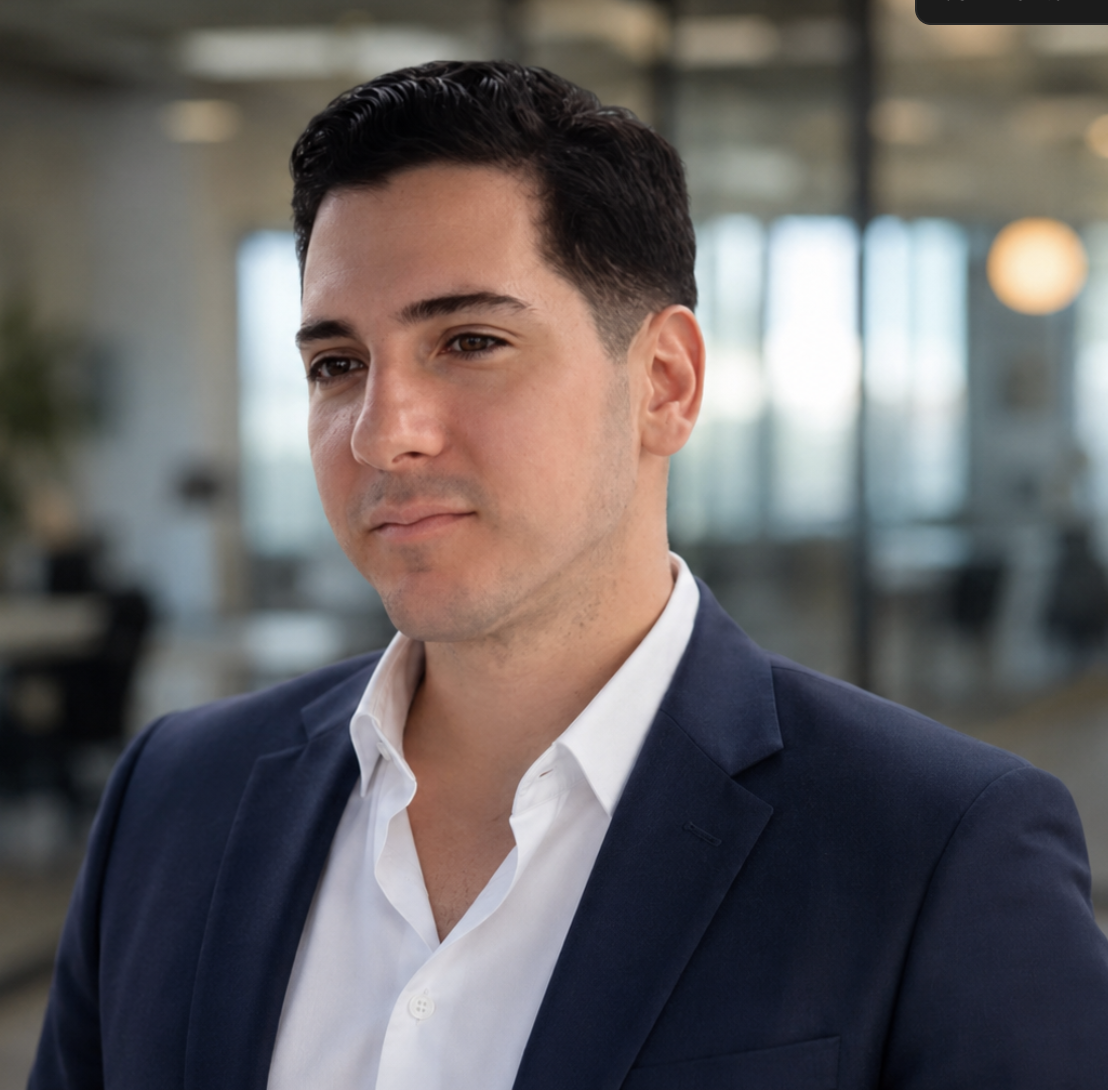
Kevin Rodriguez (NMLS #1959152) is the Broker/Owner of MortgageToday LLC. He lives in Koh Samui, Thailand, and runs the business from there; the company office is in Miami.
Kevin Rodriguez, NMLS #1959152 · MortgageToday LLC, NMLS #2727066 · Equal Housing Opportunity
MortgageToday LLC · NMLS #2727066 · Kevin Rodriguez NMLS #1959152 · Licensed in FL & TX · Equal Housing Opportunity · 1000 Brickell Ave, Suite 715-122, Miami, FL 33131 · (786) 371-2790 · www.MortgageTodayLLC.com. This article is for general information only and is not a commitment to lend. All loans are subject to credit, income, asset, property, occupancy, documentation, program, and underwriting approval. Residential lending in Florida and Texas only; outside those states, business-purpose and DSCR loans only, subject to lender and program availability. "Up to $10,662 in average savings" is not a guarantee; savings depend on your scenario. This article is educational only and is not tax, legal, or financial advice; talk with a qualified tax professional or attorney about your situation. MortgageToday LLC does not transfer or hold client funds.